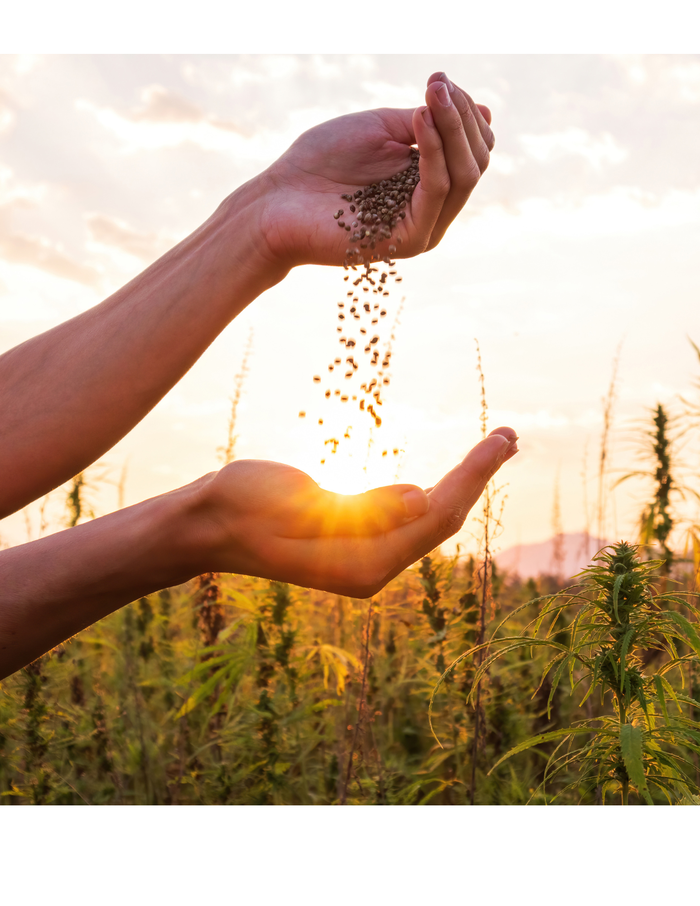
The temperatures are dropping and our summer gardens are beginning to look a bit frumpy. As we get ready to tackle preparing our landscapes for fall, let’s dream a bit about spring blooms because timing is everything and direct seeding in fall gives you a head start on beautiful spring blooms! Native plants naturally reseed themselves each summer and fall, so we’re following nature when we sow seeds in the fall. By direct-sowing native perennials in fall, you model these conditions so your garden can thrive. The cold, wet winter weather will help trigger the natural cycle of the seeds so that when the weather starts to warm again, your seeds will be ready to sprout.
Direct seeding can best be used with species which germinate and grow rapidly. Plants with large seeds, such as sunflowers and zinnias, do well when direct sown. Some species, such as larkspur and ammi (False Queen Anne’s Lace) also do not transplant well and are best direct sown.
Choose from annuals, to perennials there are plenty to choose from. If native plants are your passion check out The North Carolina Wildlife Federation Butterfly Highway initiative for native flower seed mixes curated by NCWF for NC's native and migratory pollinators. There are also free seed packets to NC Botanical Garden members through their Members’ Seed Distribution Program.
Below are some of my favorites:
Munstead Lavender Seeds: Introduced in 1916, 'Munstead' was named for Munstead Woods in England where it was a favorite of renowned garden designer, writer, and artist, Gertrude Jekyll. 'Munstead' flowers earlier than other lavenders and stays compact. English lavenders are preferred for culinary uses and oils. Heat- and drought-tolerant plants attract pollinators. Perennial in USDA zones 5-9.
Anise Hyssop Seeds: Also known as agastache, lavender hyssop, and licorice mint, this heirloom is loved by hummingbirds, bees, and butterflies. With a minty, anise/licorice flavor, it is as useful in the kitchen as it is beautiful. The leaves and flowers make a refreshing, fruity tea, and can be added to salads. The lavender-blue flower spikes are lovely in fresh floral arrangements or dried bouquets. Perennial in USDA zones 4-8. Fairly drought tolerant once established.
Wild Bergamot Seeds: Native to U.S. prairies, this heirloom is also known as monarda, horsemint, wild bee balm, and Oswego tea (because of its use by Native Americans). Its complex flavor is a combination of oregano, thyme, and mint; a unique seasoning for jellies, salads, and other savory dishes. The showy, pinkish-lavender flowers bloom all summer to the delight of bees, hummingbirds, and butterflies, the wood nymph butterfly in particular. Adaptable to short periods of drought and poor soils and resistant to mildew. Perennial in USDA zones 3 to 9. Deer resistant.
Purple Coneflower Echinacea Seeds: This heirloom wildflower, native to the eastern U.S., is a long-lived perennial that blooms for a month or more beginning in midsummer. The pinkish-purple petals surround a large, dark brown cone. Petals begin to droop as the cone enlarges and fills with seeds, which attract birds in the fall and winter. Echinacea grows well in a variety of conditions, and is excellent for borders and water-wise gardens. Perfect for fresh cut flowers.
True Hyssop Seeds: Wonderful for late summer bloom, true hyssop is an easy-care, first-year flowering perennial (USDA zones 3–11) that brings bees, beneficial insects, and butterflies to the garden. This ancient herb has been used by many cultures for its medicinal and culinary value as well as its beauty. Sow for a short hedge along paths or mix with other perennials. Ideal in rock and herb gardens and is a nice cut flower.
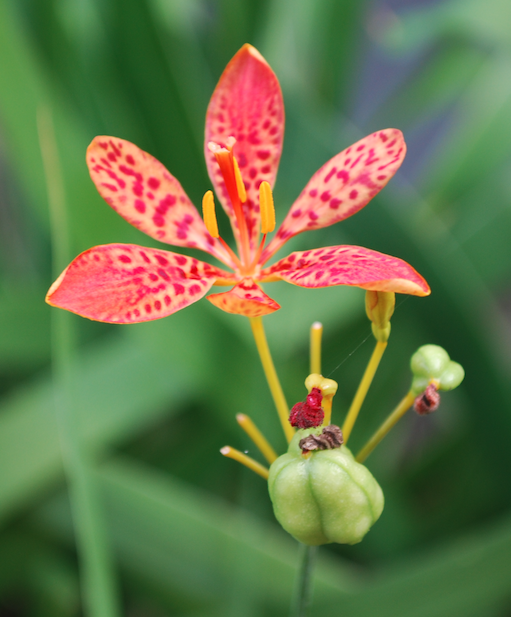
Blackberry Lily Seeds: This "lily" is actually a member of the iris family! "Iris" honors the Greek goddess of the rainbow, and these flowers add a perfect pop of color! Crimson-red spots cover the mostly orange petals, and fanned-out leaves and tall, clean stems make them ideal cut flowers. The seedheads split to reveal the namesake blackberry-like seedheads that also look lovely in autumnal arrangements. Blackberry lilies are tough, drought-tolerant, and attract hummingbirds and other pollinators. Perennial in USDA zones 5 to 10.