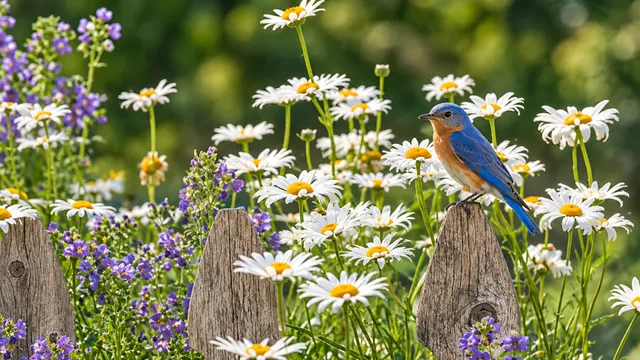
Wildflowers are no doubt a hot topic these days. No - I don’t mean this summer’s heat! But there are some basic things to keep in mind. The Blue Ridge and Great Smoky Mountains of Western North Carolina (WNC) feature some of the richest biodiversity in Temperate North America. Establishing a native wildflower garden here not only enhances your outdoor landscape but also creates a crucial refuge for regional pollinators, songbirds, and soil organisms.
1. Getting Started: Plugs vs. Seeds
While sowing wildflower seed mixes is a common approach, starting your garden with live plants or plugs offers significant advantages in our mountain region:
- Faster Establishment: Mountain growing seasons can be variable. Live plugs possess established root systems that establish quickly, helping them survive temperature fluctuations and intense summer rainstorms.
- Higher Survival Rates: Native seeds often require strict cold stratification over winter and are easily washed away during heavy Appalachian slope rains or eaten by birds and small mammals.
- Weed Competition: Plugs quickly fill in the canopy and root zone, preventing fast-growing invasive weeds from taking over before your native plants can catch up.
- Predictable Layout: Using plants allows you to implement specific architectural layering and design repetition right from the start.
2. Thoughtful Garden Design Principles
Creating an aesthetically pleasing wildflower garden that mimics natural mountain ecosystems relies on several key design strategies:
Designing for Wildlife Support
To support local biodiversity, aim for continuous blooms from spring through fall. Early bloomers like Golden Ragwort (Packera aurea) support queen bumblebees coming out of hibernation, while late-season bloomers like Blue Mistflower (Conoclinium coelestinum) and native Goldenrods (Solidago spp.) provide essential energy for migrating Monarch butterflies.
Soil Moisture & Layering
Western NC terrains range from dry, rocky ridgelines to rich, damp coves. Match plants to moisture zones across your site:
- Moist Coves / Low Spots: Cardinal Flower (Lobelia cardinalis), Ironweed (Vernonia novaboracensis), and Joe-Pye Weed (Eutrochium fistulosum).
- Dry Slopes / Slanted Beds: Butterfly Weed (Asclepias tuberosa), Black-Eyed Susan (Rudbeckia fulgida), and Purple Coneflower (Echinacea purpurea).
Canopy Heights & Complimentary Architectural Structures
Layer your garden vertically to create ecological niches and visual interest:
- Groundcover Layer (0–1 ft): Green-and-Gold (Chrysogonum virginianum), Creeping Phlox (Phlox stolonifera).
- Mid-Story Layer (2–4 ft): Wild Bergamot (Monarda fistulosa), Blazing Star (Liatris spicata).
- Emergent/Tall Layer (5+ ft): Swamp Sunflower (Helianthus angustifolius), Joe-Pye Weed.
Combine contrasting structures—such as the bold, structural discs of Echinacea with the soft, airy spikes of Liatris or native grasses like Little Bluestem (Schizachyrium scoparium)—to build visual rhythm.
Design Repetition, Borders, and Focal Points
A native garden can look chaotic without intentional design cues:
- Design Repetition: Repeat drifts of 3 to 5 plants of the same species throughout the bed. This creates visual harmony and allows pollinators to forage efficiently.
- Clean Borders: Defined edges—using flat stones, low timber, or a neatly edged turf line—signal to neighbors and visitors that the bed is intentionally cultivated rather than an overgrown field.
- Focal Points: Anchor your layout with a structural focal point, such as a large mountain boulder, a birdbath, a native flowering shrub (like Mountain Laurel or Oakleaf Hydrangea), or an arbor.
3. Soil Amendments and Site Matching
WNC mountain soils typically consist of heavy clay, acidic slate, or thin, rocky topsoils.
- Amending Heavy Clay Beds: Rather than replacing clay completely, loosen it and work in high-quality organic matter, such as composted leaf mold or fine pine bark fines. Avoid adding sand, which turns heavy clay into concrete-like soil.
- Matching Plants to Conditions: Work with your natural soil profile rather than trying to overhaul it entirely:
- Acidic, Acid-Loving Soil: Mountain Mint (Pycnanthemum), Rhododendron, and Flame Azalea.
- Rich, Moisture-Retentive Soils: Trillium, Jack-in-the-Pulpit, and Cohosh.
- Thin, Well-Drained Soils: Coreopsis, Aster, and native grasses.
4. Watering Guidelines for WNC Wildflowers
Western NC often receives high annual rainfall, but mountain soils can dry out surprisingly quickly during summer dry spells or on south-facing slopes.
- Establishment Period (Weeks 1–6): Water deep plugs 2–3 times per week if rain is lacking. Ensure water reaches deep into the root ball.
- First Season: Provide about 1 inch of water per week, including rainfall. Deep, infrequent waterings encourage taproots and deep feeder roots to anchor well against slope erosion.
- Established Plants (Year 2+): Most native WNC wildflowers adapt well to regional rainfall patterns and require supplemental watering only during extended droughts (2+ weeks without rain). Overwatering native plants in heavy clay can promote root rot.
5. Weed Control: Mulch, Spacing, and Competition
Managing weeds in a native garden relies on living covers and strategic planting rather than chemical control:
- Living Mulch vs. Wood Chips: In year one, apply a 2-inch layer of shredded hardwood or leaf mulch to retain moisture and suppress weeds. In subsequent years, aim to establish a "living mulch" using native low-growing groundcovers like Geum canadense or Packera aurea.
- Plant Spacing: Space plugs closer together than standard nursery tags recommend—typically 12 to 18 inches apart center-to-center.
- Competitive Exclusion: As native plants fill in both above and below ground, their dense root systems and full foliage shade out opportunistic weed seeds, significantly reducing hand-weeding over time.
6. Ecosystem-Friendly Cleanup & Overwintering
Traditional fall garden cleanup—cutting everything down to the ground and raking away leaf litter—disrupts native wildlife habitats.