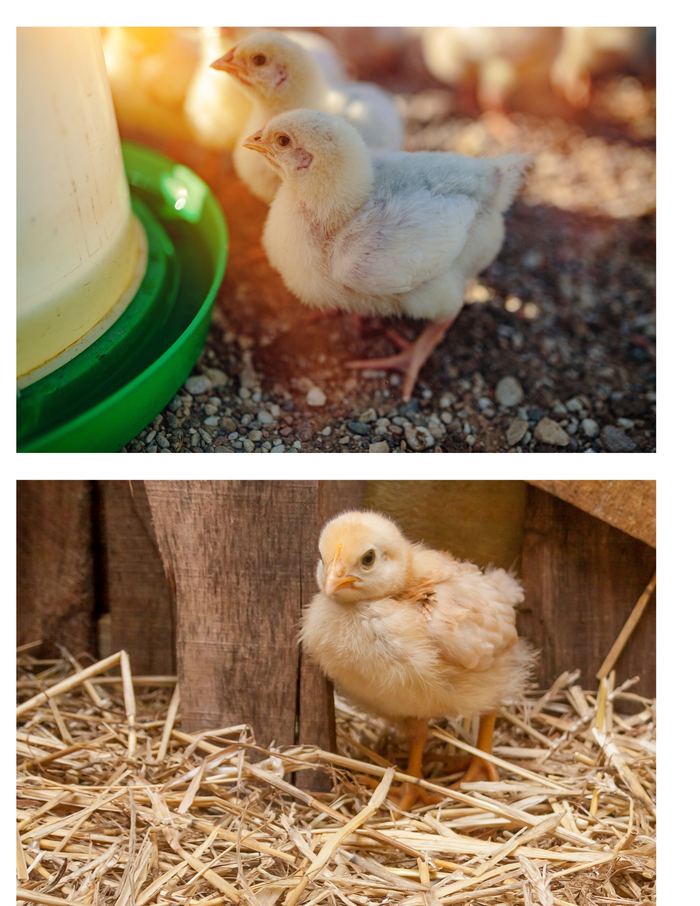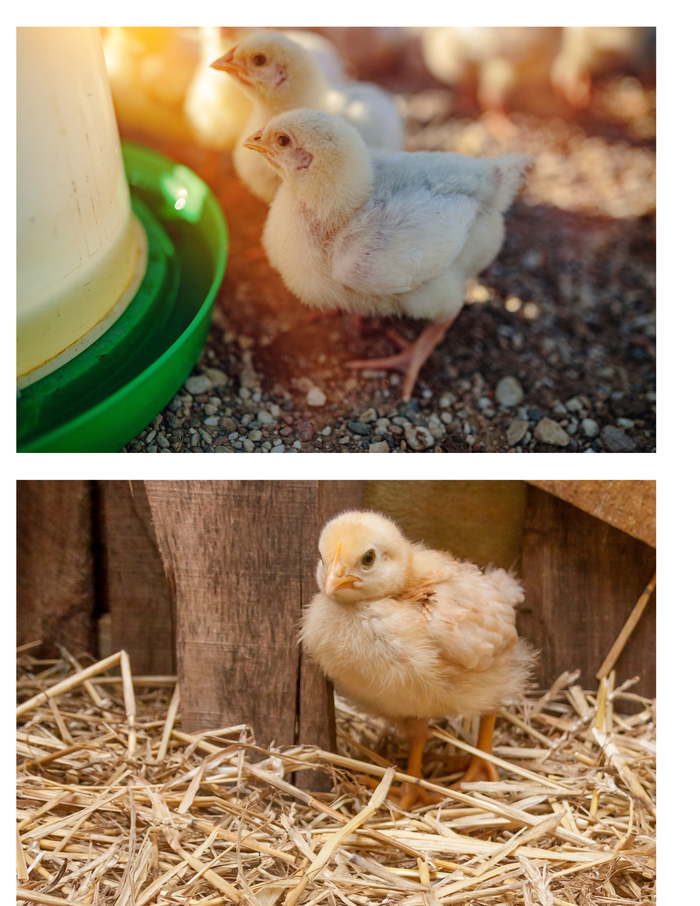
Typically, I use my monthly article to discuss the larger livestock species that we deal with such as cattle, sheep, and goats. This month I decided to cover one of the species that often gets overlooked where livestock is concerned because it is much different than our 4-legged beasts. Chickens have much different space and shelter requirements and therefore require different care. This is the time of year when a lot of people decide to head out to their local farm store and pick out some cute and fluffy chicks, a lot of whom do not consider the long-term requirements or the immediate care and space that those chicks will require. No one wants to be the person that ends up regretting spending that money six months down the road because they no longer have room for their (now much larger) chickens, and have no way of using all the eggs they are getting, and no interest in selling eggs. In an effort to try to avoid that scenario, let us discuss some of the items that you want to consider before purchasing chicks.
Do your homework first! If you have made it this far in this article then you are on your way. Find out if your place of residence comes with restrictive ordinances or covenants, if you live in town or in a development this will be more of a concern. Some home owners associations have restrictions on the number of birds you can have and possibly even restrict having roosters. You should also evaluate your ability to provide the daily food, water, clean dry shelter, and being able to gather/use/sell/give away eggs. Please, do not get more chickens than the number of eggs you can take care of. Where eggs production is concerned, young hens or pullets usually begin laying between 16 and 24 weeks of age depending on breed and conditions. Hens, on average, will produce around two eggs every three days, up to 15 dozen during their first laying year. After this production will slowly decline. Flocks should also be started and/or expanded with vaccinated birds from reputable sources. Knowing your ability to provide the necessary care is a step in helping you determine how many birds you should keep.