Written by: Molly Gillespie, Extension Master Gardener Volunteer, edited by Minda Daughtry, NCCE Area Agent - Horticulture
Buzzz, swat, zzzz, swat!
Occasionally time in the gardens can be uncomfortable. Bugs are flying around and they are annoying and there is always the threat of getting stung by something. It might be tempting to spray pesticide or to kill the bugs, but before you do either, let’s talk about what is buzzing around your garden.
“Bugs” as they are commonly referred to are not all the same. Some insects are harmful, while others are actually working with you, on your side, to help your garden grow. Killing those beneficial insects would be a detriment and actually invite harmful pests into your garden. So delving more into what beneficial insects are and how they can help your garden grow will help you become a more knowledgeable and successful gardener.
Beneficial insects help to pollinate as well as manage pesty, harmful insects. Beneficial insects are a part of a healthy ecosystem. For the most part, beneficial insects belong to one of three groups - pollinators, predators, and parasitoids.
Pollinators include insects such as honeybees, butterflies, ladybugs, even spiders (though not truly an insect), and praying mantids. These are beneficial insects that help plants reproduce by transferring pollen. Most people are familiar with a flitting butterfly landing on a colorful flower, such as a milkweed or a coneflower, and pollinating other flowers as it flies along. The same as with honeybees or native bees. You can see it happening and you know these insects are working their magic and helping to propagate vegetables, flowers and fruits.
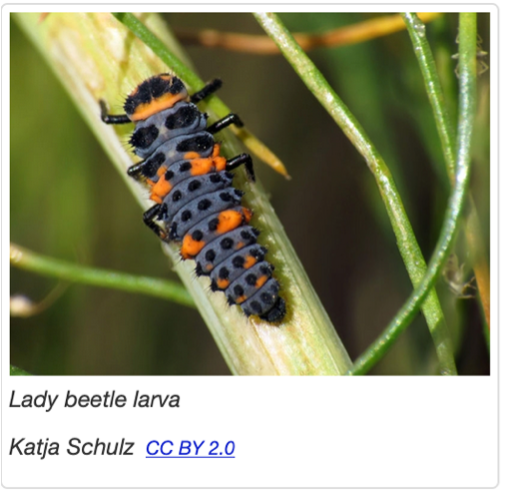
Another type of beneficial insect is the predator. These include ladybugs, praying mantids and spiders (again, not technically an insect). This group helps us manage our garden by managing harmful insects. Some insects like ladybugs eat aphids or the praying mantids who consumes a wide range of insects - again, we all have a picture in our head of the stick-like figure of a praying mantid waiting patiently and then grabbing its prey and consuming it. Even spiders, though they may look “creepy” or not technically be an insect – they are on your side. They patrol your garden eating insects who don’t belong and who will cause more damage.
Lastly, we have the parasitoids. The most common parasitoid is the parasitic wasp. These insects will lay eggs on or inside other insects. When the eggs hatch, they feed on the host and eventually kill it from the inside.
The benefits of these insects are vast and compounding. They act as a natural pesticide, they contribute to a healthy ecosystem and they produce healthier plants, fruits and vegetables through pollination. By encouraging and supporting beneficial insects in your garden or farm, you can create a healthier and more productive environment.
There are a few ways to attract beneficial insects. First and foremost, avoid pesticides. Most of the time, these harmful chemicals will not discriminate in the damage they do and they will kill all insects, not just the harmful ones. Keeping these chemicals out of your garden is primary to a healthy ecosystem. Another method to attracting beneficial insects is succession planting a variety of flowers. We’ve talked about succession planting in previous newsletters, but planting different flowers that bloom at different times will keep a healthy rotation of insects who will patrol your garden and manage the harmful pests. And a third method to attract beneficial insects is to create a habitat that will provide shelter. Areas that have mulch, or rocks, or insect “hotels” all provide a haven for the beneficial insects who will then manage and control the harmful population.
A successful garden incorporates not just human intervention, but it accentuates nature at its best. This includes maximizing the utility of the bees, butterflies, spiders, and other beneficial insects as “helpers’. They will not only help to propogate your garden but they will control the destruction and damage that can be done by harmful insects. Knowing the difference between these insects and how to attract beneficial insects is one of the true keys of creating a successful garden.
Beneficial Insects
Hannah Burrack, Assoc Professor and Extension Specialist (Berry, Tobacco, and Specialty Crops)
Entomology - Matt Bertone, Extension Associate, Entomology