At its core, soil is “a dark material consisting of a mixture of organic remains, clay, and rock particles.” Its role is to provide water, nutrients, air, and microbes to support the roots of plants. However, not all soils are created equal, and understanding the specific characteristics of your garden soil can make all the difference.
Steps to a Successful Garden
(Updated: Jan. 24, 2025, 11:59 a.m.)
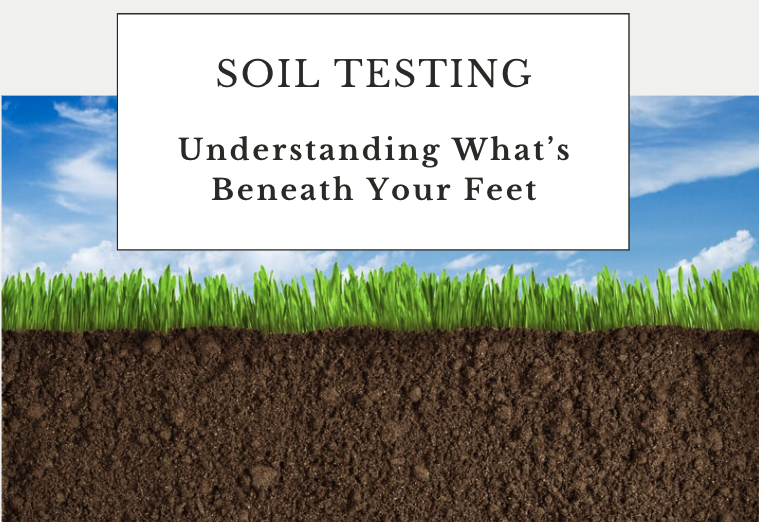
SOIL TESTING: Understanding What’s Beneath Your Feet
The first step in building a healthy garden is to test your soil. Soil testing helps you determine the chemical makeup of your soil, its nutrient balance, and what might be missing. Fortunately, you can easily have your soil tested through your local N.C. Cooperative Extension Office. By taking a soil sample, you can identify issues like pH imbalances or nutrient deficiencies that could hinder your plants’ growth.
For example, if you're trying to grow acid-loving plants like hydrangeas, but your soil has a pH over 7.0 (neutral to alkaline), your plants might struggle despite perfect growing conditions. A soil test will help you understand the best plants for your soil, or what amendments you can make to improve conditions.
Once your soil is tested, it’s not necessary to retest every year unless you make significant changes to your garden. Generally, sandy soils should be retested every 2-3 years, and heavy clay soils every 3-4 years to keep track of nutrient levels and pH.
SOIL DRAINAGE: The Balance Between Too Much and Too Little
Another critical factor in soil health is drainage. A well-drained soil allows plant roots to access water and oxygen, which is essential for growth. If soil drains too quickly, it may not retain enough nutrients for plants to thrive. On the other hand, poor drainage can lead to waterlogged soil, depriving roots of oxygen and possibly leading to root rot.
In many cases, poor drainage is a sign of heavy clay content or compacted soil. Fortunately, there are several ways to improve soil drainage:- Aerate the soil: Loosening compacted soil allows better water movement and root penetration.
- Amend the soil: Add organic materials, such as compost, leaves, or grass clippings, to improve soil structure and drainage. Just be sure you know whether or not pesticides, including herbicides have been applied to the lawn or landscape where the leaves came from. Some of those chemistries have a long residual effect.
- Raised beds: In some cases, creating raised garden beds with improved soil may be the best solution.
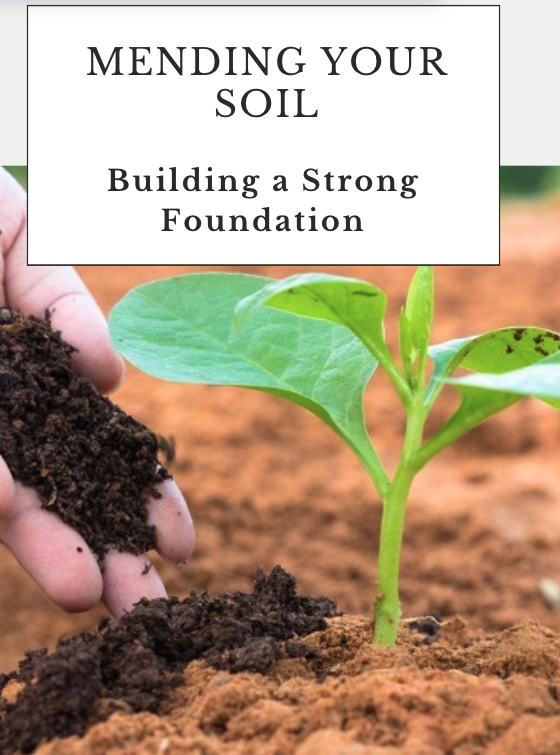
MENDING YOUR SOIL: Building a Strong Foundation
Not all soils are perfect, but that doesn't mean your garden dreams are out of reach. If your soil needs improvement, there are plenty of ways to amend it. The easiest and most effective way for home gardeners to improve soil health is by adding organic materials.
Organic matter such as compost, leaves, or grass clippings can significantly enhance soil structure. These materials improve soil porosity, drainage, and nutrient retention, creating an environment where plants can flourish.- Compost: Purchase compost from a local nursery, or make your own from kitchen scraps, yard waste, and organic matter.
- Leaves: Raked leaves that have broken down into small, decayed pieces can enrich your soil.
- Grass Clippings: When used properly, grass clippings can be a great source of nitrogen for your garden soil.
These materials break down over time, enriching the soil and making it more suitable for plant growth.
In Summary: Steps to a Successful Garden
By testing your soil, ensuring proper drainage, and amending it with organic materials, you’ll lay the groundwork for a successful garden in 2025. A little effort now can go a long way in helping your plants thrive throughout the year.
Remember, soil is the foundation of all plant life, and understanding how to nurture it will lead to greater gardening success. For more information on soil testing or to get your soil tested, visit the N.C. Cooperative Extension in Swain and Jackson Counties.
We look forward to bringing you more tips and resources throughout the year to help you grow a healthier, more vibrant garden!
- NC State Extension Publications “A Gardener’s Guide to Soil Testing”. Lucy Bradley, Deanna Osmond
- NC State Extension Master Gardener Handbook – SoilFacts: Careful Soil Sampling – The Key to Reliable Soil Test Information. AG-439-30
- NC State Extension Publications “Modifying Soil for Plant Growth Around Your Home”. Luke Gatiboni, Ekrem Ozlu, Christiana Kranz, and Josh Heitman
Written By: Molly Gillespie, Extension Master Gardener Volunteer Edited by: Minda Daughtry